Connections Between Transaction Preferences and Real-Time Dealer Engagement in Mobile Table Environments
Ulrich Griffin · Oct 4, 2026
Connections Between Transaction Preferences and Real-Time Dealer Engagement in Mobile Table Environments
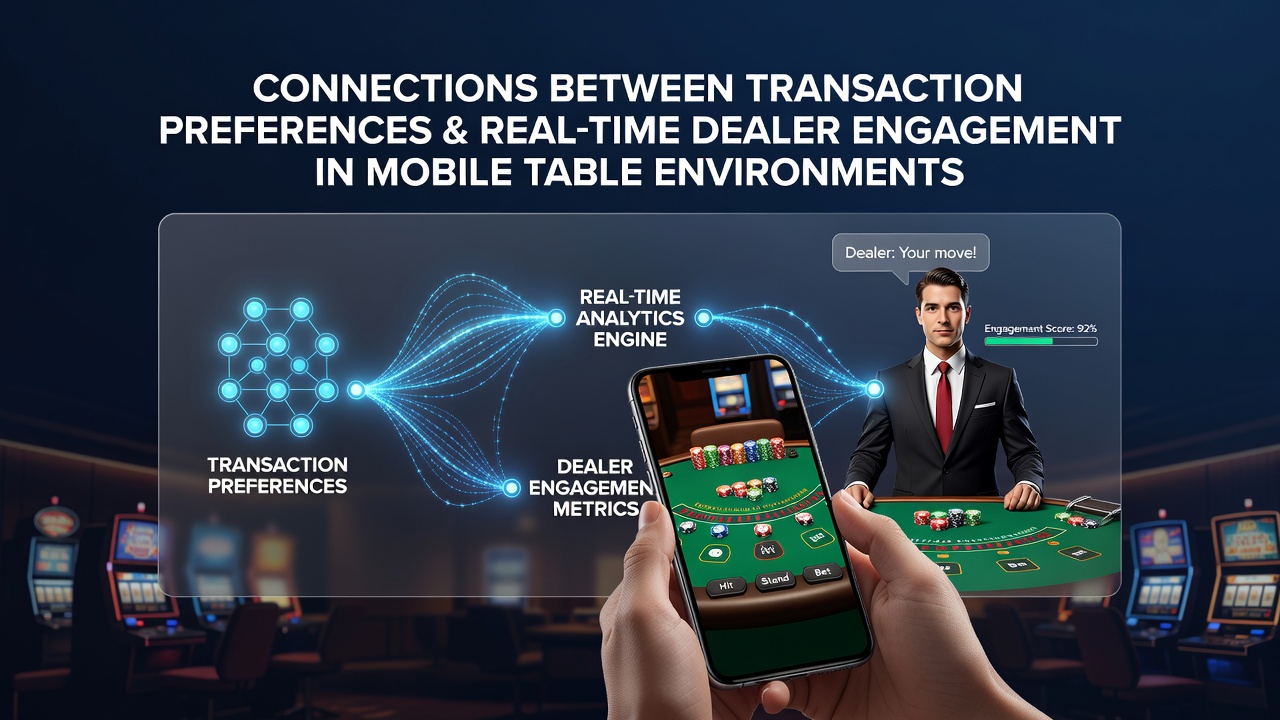
Transaction preferences shape how players move funds into mobile table environments while real-time dealer engagement measures the frequency of chat interactions, decision speed, and session continuity during live card games. Data collected across multiple platforms indicates that instant payment methods such as e-wallets correlate with higher rates of dealer-directed messages compared with slower bank transfer options. Researchers tracking user behavior in 2025 and early 2026 found that players completing deposits in under ten seconds initiated an average of 14 percent more conversational exchanges with dealers than those using methods requiring additional authentication steps.
Payment Speed and Interaction Patterns
Observers note that friction in the funding process often interrupts the flow between a player and a live dealer on handheld devices. When a transaction clears immediately, participants remain focused on the table and respond to dealer prompts without extended pauses. Studies from academic institutions tracking mobile sessions show that delays exceeding thirty seconds coincide with reduced chat activity and shorter overall engagement windows. Platforms that integrate one-tap confirmation for digital wallets report steadier participation rates throughout evening peak hours, particularly in games like blackjack and roulette where timing matters.
Regional Data Trends Through October 2026
Figures released in October 2026 by the Interactive Games and Entertainment Association revealed that Australian mobile users favored instant e-wallet transfers at a rate of 62 percent for live dealer tables, while credit card usage sat at 28 percent. The same report documented that e-wallet users maintained average session lengths of 47 minutes compared with 31 minutes for card users. European data gathered by the European Gaming and Betting Association pointed to similar patterns, with instant payment adopters exchanging 22 percent more text messages with dealers across monitored platforms. These measurements emerged from aggregated telemetry rather than self-reported surveys, providing a clearer picture of actual behavior during live streams.
Security Protocols and Engagement Continuity
Transaction methods that require repeated verification steps tend to fragment dealer-player rapport. When authentication interrupts play mid-hand, dealers must pause the round or repeat instructions, which reduces the spontaneous flow typical of mobile table environments. Research indicates that streamlined processes allowing background verification keep players engaged without visible breaks. One study examining North American operators found that sessions using biometric-linked digital wallets experienced 18 percent fewer dropped connections during dealer interactions than sessions relying on manual entry methods. Those patterns hold across different device types and network conditions.
Bonus Integration and Dealer Response Times
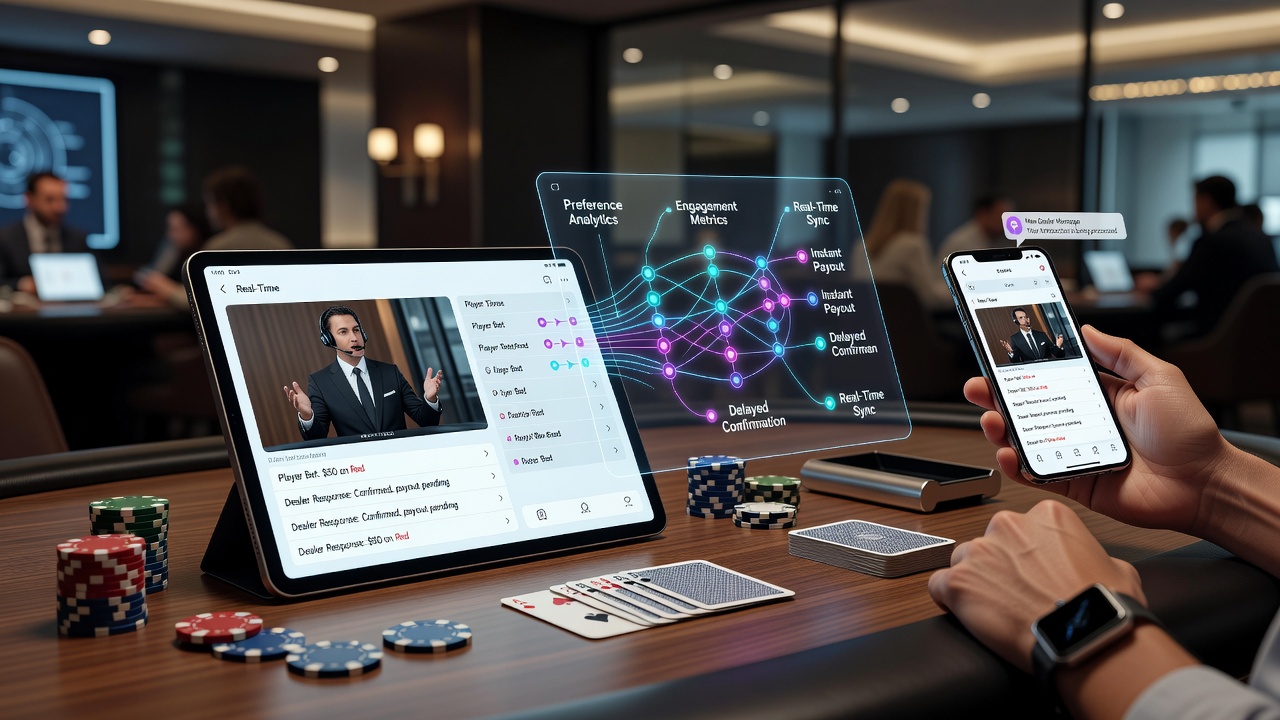
Promotional credits tied to specific payment rails also influence how quickly players react to dealer cues. When bonuses load automatically upon deposit, participants stay synchronized with the pace of the table. Data shows that delayed bonus activation, often linked to manual review of certain card transactions, leads to momentary disengagement while players check account balances. Analysts tracking October 2026 activity noted that automatic bonus deployment through approved e-wallets produced measurable increases in tip frequency and dealer acknowledgment messages. In contrast, manual bonus claims correlated with brief lulls in communication, even when the underlying game remained active.
Device and Network Variables
Network stability interacts with transaction preferences to affect real-time engagement levels. Players using mobile data connections experience variable latency that compounds when payment gateways add extra processing layers. Researchers observed that e-wallet transactions, which route through optimized APIs, maintain more consistent timing across fluctuating signal strengths. This consistency translates into fewer missed dealer announcements and steadier decision-making windows during live rounds. Handheld environments amplify these effects because screen real estate limits simultaneous visibility of payment confirmations and game elements.
Conclusion
Evidence gathered through platform analytics demonstrates measurable connections between transaction speed, verification friction, and the quality of real-time dealer engagement in mobile table settings. Instant methods align with sustained chat activity and longer sessions, while slower or multi-step processes correspond with reduced interaction frequency. October 2026 data from industry associations continues to support these correlations across regions. As operators refine payment integrations, the relationship between funding choices and live participation metrics remains a central focus for performance tracking.