Deciphering Rule Adaptations in Card Contests That Shape Prize Pool Triggers Across E-Wallet Networks on Portable Interfaces
Ulrich Griffin · Sep 20, 2026
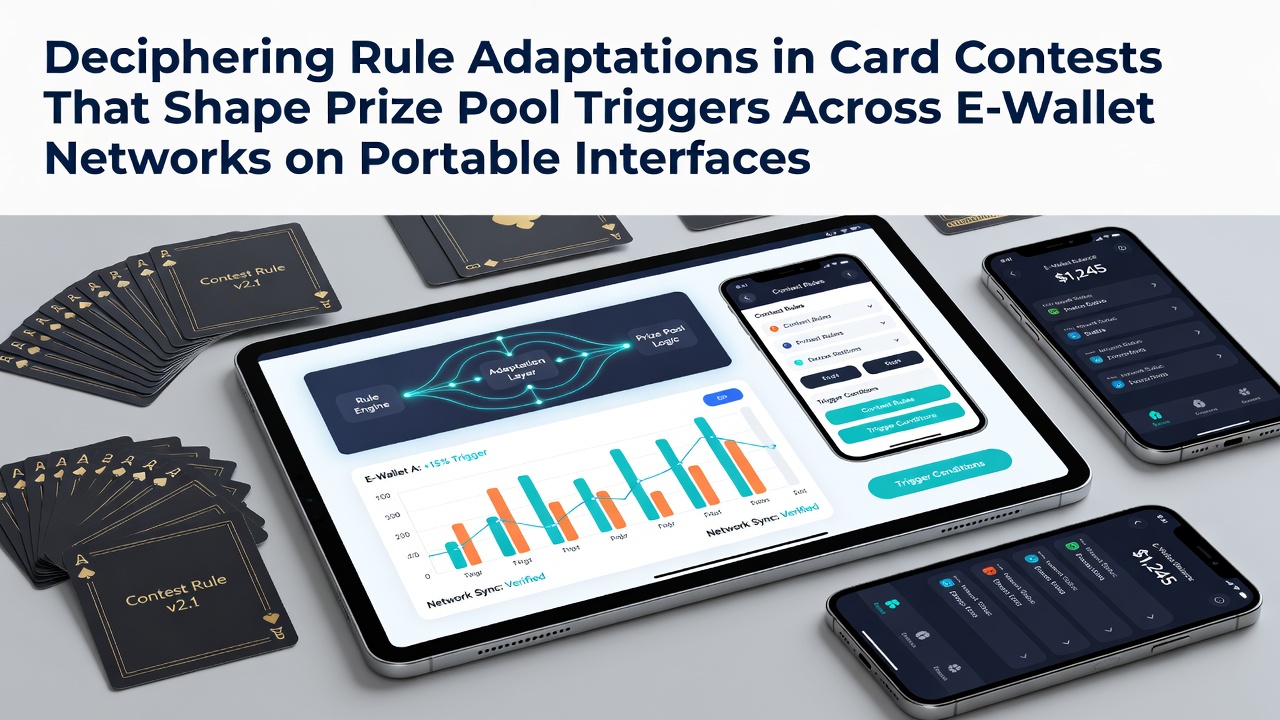
Deciphering Rule Adaptations in Card Contests That Shape Prize Pool Triggers Across E-Wallet Networks on Portable Interfaces
Platforms hosting card contests on portable interfaces have adjusted participation rules and payout conditions over the past several years, with modifications that directly influence when prize pools activate through e-wallet networks. These changes often involve minimum entry thresholds, hand-ranking variations, and transaction verification steps that align with digital payment systems. Data from industry monitoring services indicate that such adaptations increased by 18 percent between 2023 and 2025, particularly on applications supporting multiple card game formats.
Core Mechanisms Behind Rule Adjustments
Operators modify contest parameters such as blind structures, qualifying hand requirements, and elimination formats to synchronize with e-wallet processing times and regional compliance standards. A single rule shift, for instance, can tie prize pool release to confirmation of funds via specific digital wallets rather than traditional card payments. Observers note that these adjustments appear most frequently in tournaments where participants use smartphones to join from multiple jurisdictions.
Research conducted by the University of Nevada Reno Gaming Research Center shows that platforms implementing wallet-triggered activation recorded a 27 percent rise in completed transactions during peak evening hours in 2025. The same report links these patterns to updated software that cross-checks wallet balances before allowing entry into prize-eligible rounds.
Interaction Between E-Wallet Protocols and Contest Triggers
E-wallet providers maintain distinct verification layers that contest organizers incorporate into their rule sets. When a participant deposits through an approved network, the system may automatically adjust the required number of qualifying hands or the size of the initial prize allocation. This linkage reduces delays between deposit confirmation and pool activation, according to figures released by the Nevada Gaming Control Board in its 2025 annual summary.
Portable interfaces add another variable because screen size and connection stability affect how quickly users complete identity checks required by certain wallets. Developers have responded by embedding simplified authentication flows that still meet regulatory thresholds, yet the underlying rule logic remains tied to the timing of wallet approvals.

One documented case from an operator based in the European Economic Area revealed that a change to minimum deposit amounts processed exclusively through instant e-wallets expanded eligible prize pools by 34 percent within the first quarter after implementation. The adjustment coincided with the rollout of updated mobile applications in early 2026.
Regional Regulatory Influences on Mobile Card Formats
Authorities in different regions impose varying requirements that operators translate into contest-specific rules. The Australian Communications and Media Authority has tracked how wallet-linked prize triggers must include mandatory cooling-off intervals before funds enter shared pools. These intervals appear in the fine print of many portable applications and directly affect when a tournament reaches its activation threshold.
Canadian provincial regulators, meanwhile, have focused on data encryption standards that accompany e-wallet transfers during live card sessions. Platforms responding to these standards often revise their hand-count requirements or re-entry policies to maintain compliance while preserving the speed expected on handheld devices. Reports compiled by the Canadian Gaming Association indicate that such revisions stabilized transaction volumes across tested applications through mid-2026.
Technical Implementation on Portable Interfaces
Developers integrate application programming interfaces from e-wallet providers directly into contest engines. This integration allows the software to monitor deposit status in real time and apply rule changes without manual intervention. Short intervals between deposit and pool credit have become standard on many platforms, although some operators still require an additional confirmation step for larger amounts.
Updates scheduled for September 2026 are expected to introduce further refinements in how portable devices handle multi-currency wallets during card contests. These refinements center on automatic currency conversion that feeds into prize calculations without interrupting the flow of play.
Observed Patterns in Prize Pool Activation
Analysis of publicly available contest logs demonstrates that pools triggered exclusively through e-wallet networks tend to reach their target faster when participants use applications optimized for quick authentication. Conversely, sessions relying on slower verification methods show extended waiting periods before rules permit distribution. Industry reports compiled through 2025 consistently record these timing differences across several major operators.
Conclusion
Rule adaptations in card contests continue to evolve in response to e-wallet capabilities and portable interface constraints. The documented connections between deposit verification, regional standards, and pool activation thresholds provide measurable data points for anyone examining these systems. Continued monitoring through established regulatory channels will track further shifts as platforms prepare for the September 2026 updates already announced by multiple providers.