Tracing Reel Alignment Protocols and Their Ties to Accumulative Reward Triggers Across Wireless Funding Networks
Mara Perry · Oct 18, 2026
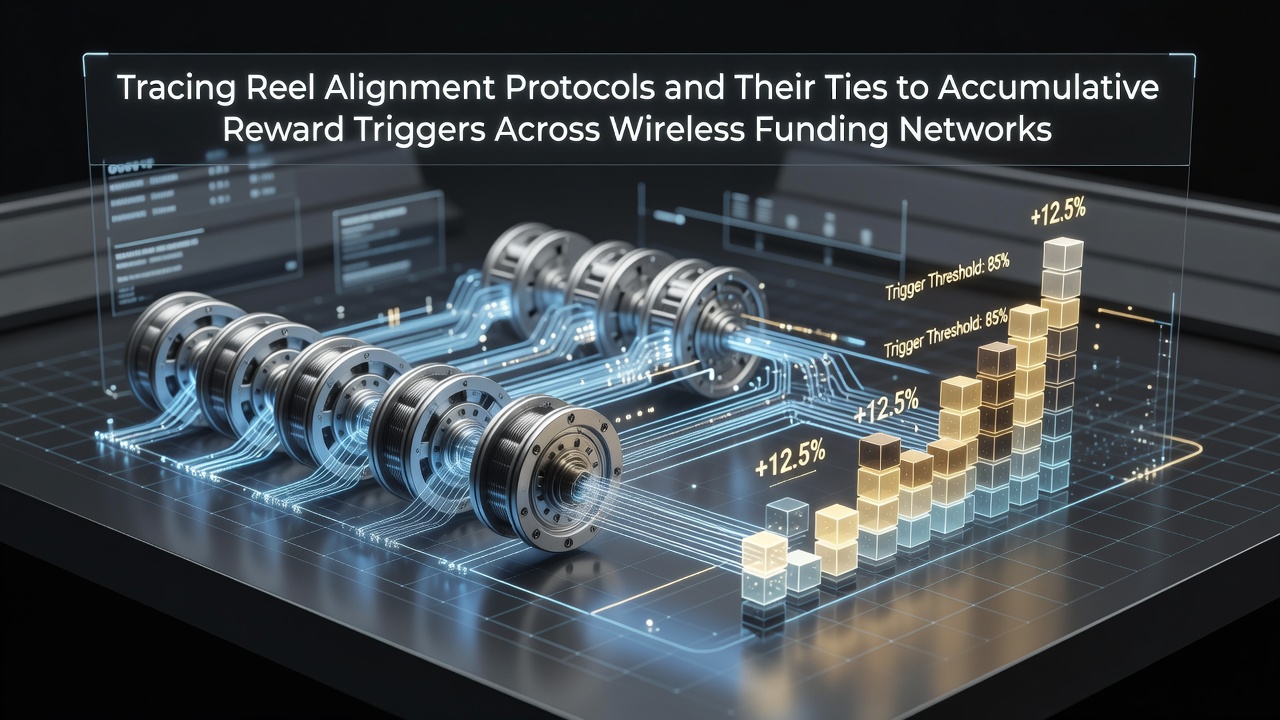
Tracing Reel Alignment Protocols and Their Ties to Accumulative Reward Triggers Across Wireless Funding Networks
Digital gaming platforms rely on reel alignment protocols to manage the positioning and synchronization of virtual reels during gameplay sessions, and these protocols integrate with accumulative reward systems that activate based on specific trigger conditions across wireless funding networks used for deposits and withdrawals.
Core Mechanics of Reel Alignment in Modern Systems
Reel alignment protocols define the rules for how symbols line up on virtual reels after each spin cycle, and developers implement these through algorithms that account for random number generation outputs while maintaining consistency with regulatory standards for fairness. Researchers at institutions studying gaming technology note that alignment checks occur in milliseconds to verify symbol positions before determining outcomes, and this process connects to backend servers that track accumulative rewards earned over multiple sessions.
Wireless funding networks transmit transaction data in real time, allowing platforms to update player balances and apply reward multipliers when alignment conditions meet predefined thresholds. Data from industry reports indicates that such integration reduces latency in reward distribution, particularly in environments where mobile devices handle both gameplay and payment authorizations simultaneously.
Accumulative Reward Triggers and Their Dependencies
Accumulative reward triggers activate when cumulative points or credits reach certain levels, often tied directly to patterns identified during reel alignment verification. Observers in the field point out that these triggers incorporate variables from funding sources, including wireless transfers that carry metadata about transaction timing and amount, which platforms use to adjust reward eligibility.
Integration with Wireless Funding Infrastructure
Wireless funding networks operate through encrypted channels that support instant verification, and reel alignment protocols feed outcome data into these same channels to confirm whether a reward trigger should release funds or credits. According to findings from the Australian Gambling Research Centre, timing correlations between funding events and alignment sequences influence how rewards accumulate across sessions on portable devices. This linkage ensures that reward calculations reflect both gameplay results and the status of recent wireless transactions without introducing delays.
Systems often log alignment events alongside funding confirmations to create audit trails, and regulatory bodies in various regions require these records for compliance checks. In October 2026, updates to wireless protocol standards are expected to enhance data synchronization speeds, which could affect how quickly accumulative triggers respond to alignment matches.
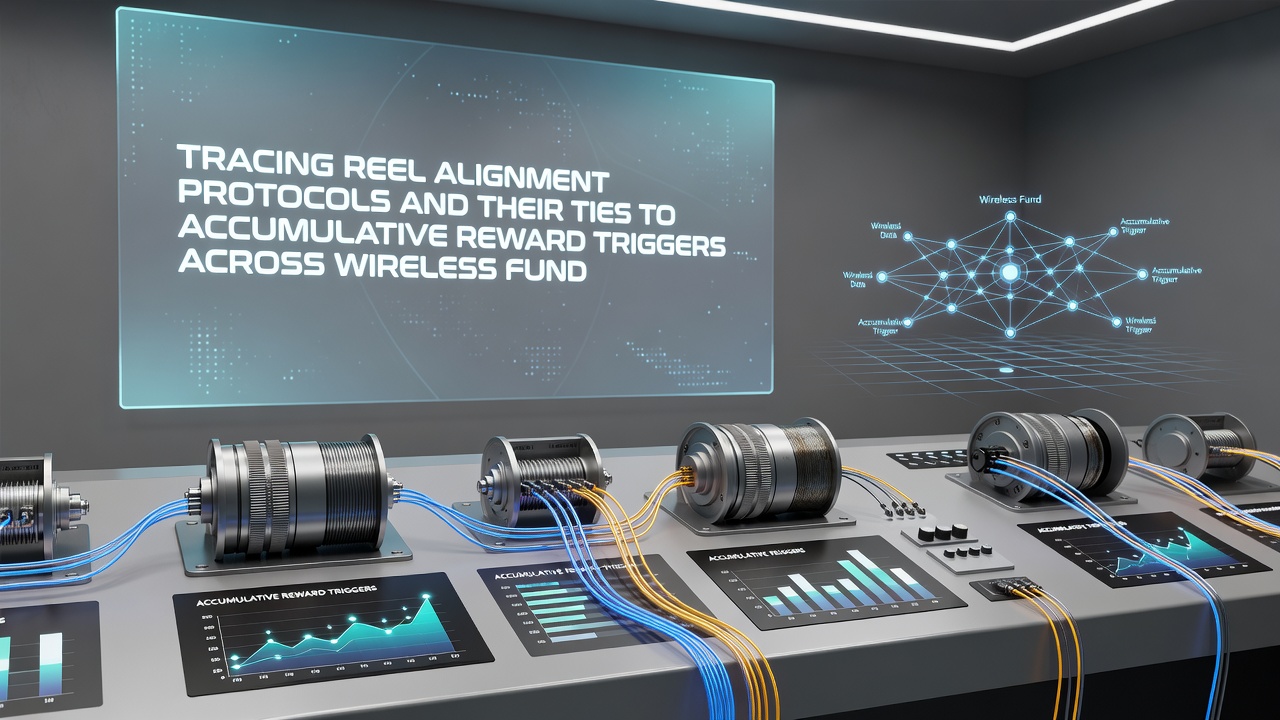
Technical Tracing Methods Across Networks
Tracing involves monitoring data packets that carry reel position information from client devices to central servers, then correlating those packets with funding confirmations arriving via wireless gateways. Engineers apply timestamp matching and sequence analysis to identify where alignment protocols influence reward activation points, and this method reveals dependencies on network stability during high-volume transaction periods.
Studies conducted by research teams at the University of Nevada, Reno have documented how packet loss in wireless environments can shift the timing of reward triggers relative to reel outcomes. Those findings highlight the need for redundant verification steps within alignment protocols to maintain accuracy across varying connection qualities.
Regional Variations in Protocol Implementation
Different jurisdictions apply distinct requirements to how reel alignment data interacts with funding networks, and European frameworks emphasize data protection during transmission while North American standards focus on transaction auditing. Platforms adapt their tracing tools accordingly, incorporating region-specific filters that separate alignment logs from funding metadata when necessary.
Case examples from operators show that cross-border wireless funding introduces additional variables, such as currency conversion delays, which must factor into accumulative reward calculations tied to alignment events. Observers note that these adaptations keep systems aligned with local rules without disrupting core trigger mechanisms.
Conclusion
Reel alignment protocols form a foundational layer that connects directly to accumulative reward triggers through the infrastructure of wireless funding networks, and ongoing technical refinements continue to shape how these elements interact in digital gaming environments. Data from multiple sources demonstrates measurable impacts on transaction processing and outcome verification when these components operate in tandem.